Services
Consulting & analysis
Free consultation and site survey, energy and financial analysis, help with EU funding.
How we work
Consulting & analysis
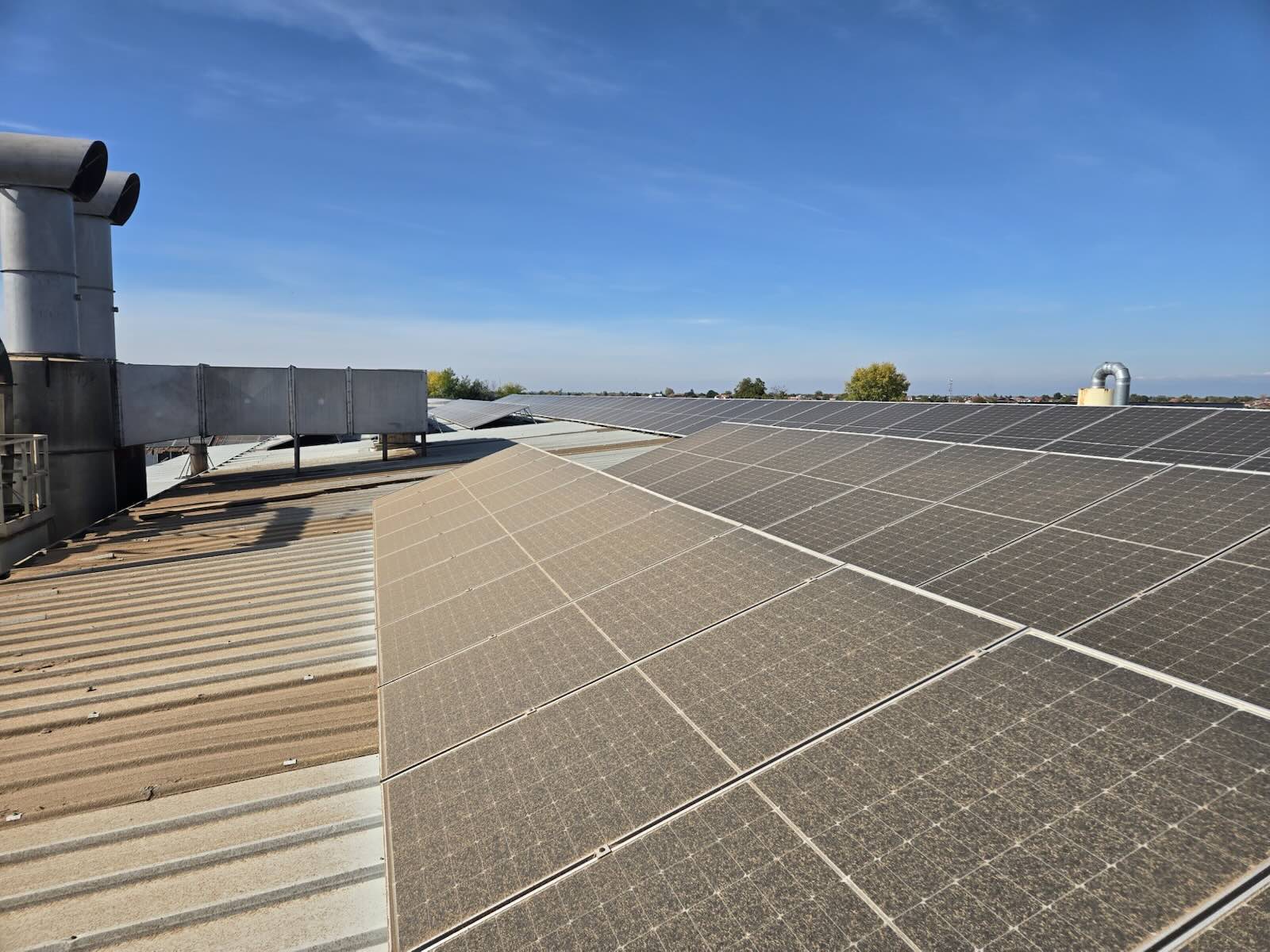
Before every offer we visit and survey the site: roof, switchboard, consumption, space for a battery. We analyse your load and propose the best-fit system with a clear payback calculation. We help more and more businesses use the European funding programmes for renewable energy and energy efficiency projects, reducing their exposure to rising electricity prices on the free market. If you already have a solar plant or are considering one, follow our LinkedIn page and the news on this site for updates and European funding opportunities for businesses. Get in touch to find out how we can build the solution that works best for your business.
- 1Bill and load profile analysis
- 2Visit and survey of every site
- 3Financial model and payback
- 4Preparing the project for EU renewable-energy and energy-efficiency programmes
A real example
Analysis for a 24/7 manufacturing plant
From your site's actual load profile, your solar plant's production and electricity prices, we analyse which battery to offer you: the optimal investment for maximum efficiency and profit.
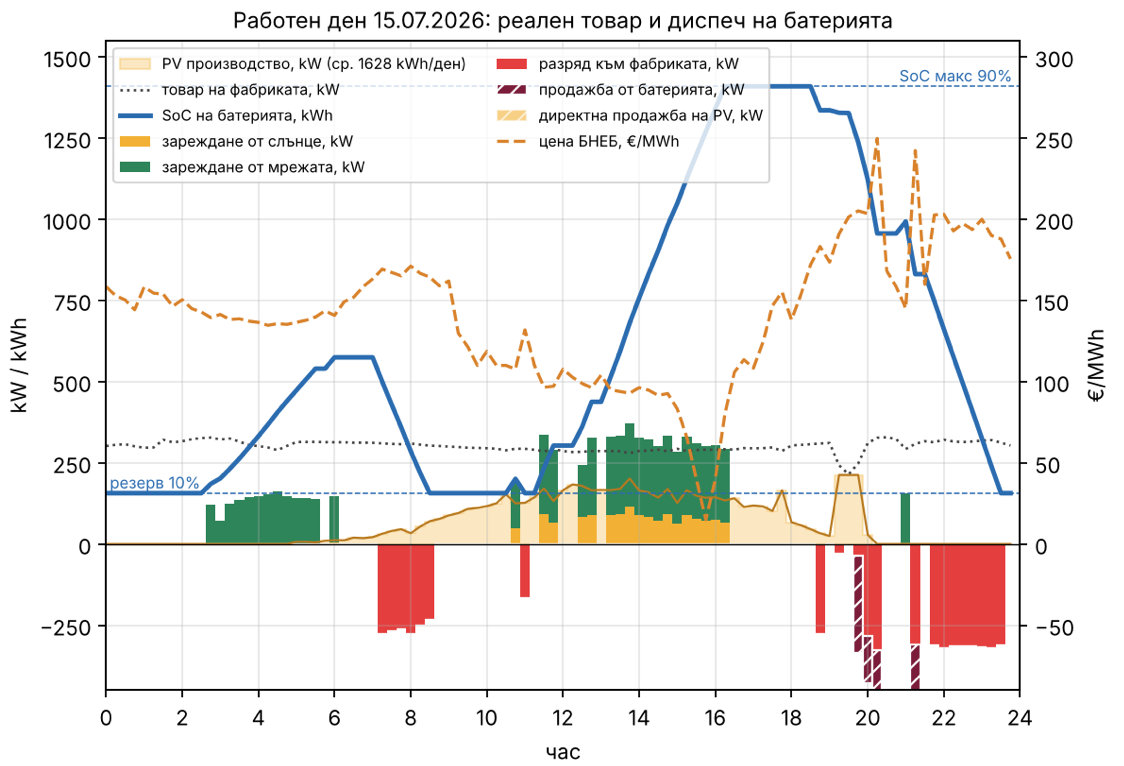
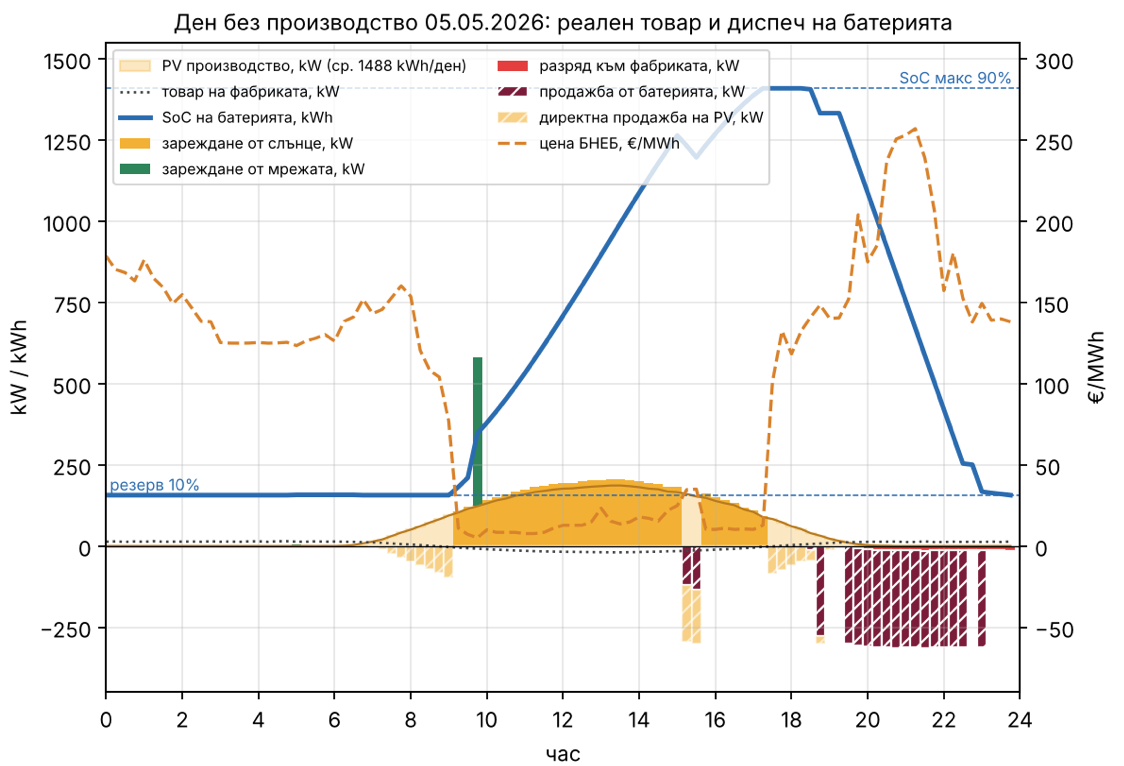
This is what our analysis looks like: an example from a real budget offer for a storage system (October 2026), with the client's details removed. We work with the actual 15-minute records of purchased and sold energy for 12 months and the exchange price for every interval, not with standard profiles.
Input data
1 730 MWh
annual consumption from the grid
266 kW
average night load on working days (224–313 kW)
300 kWp
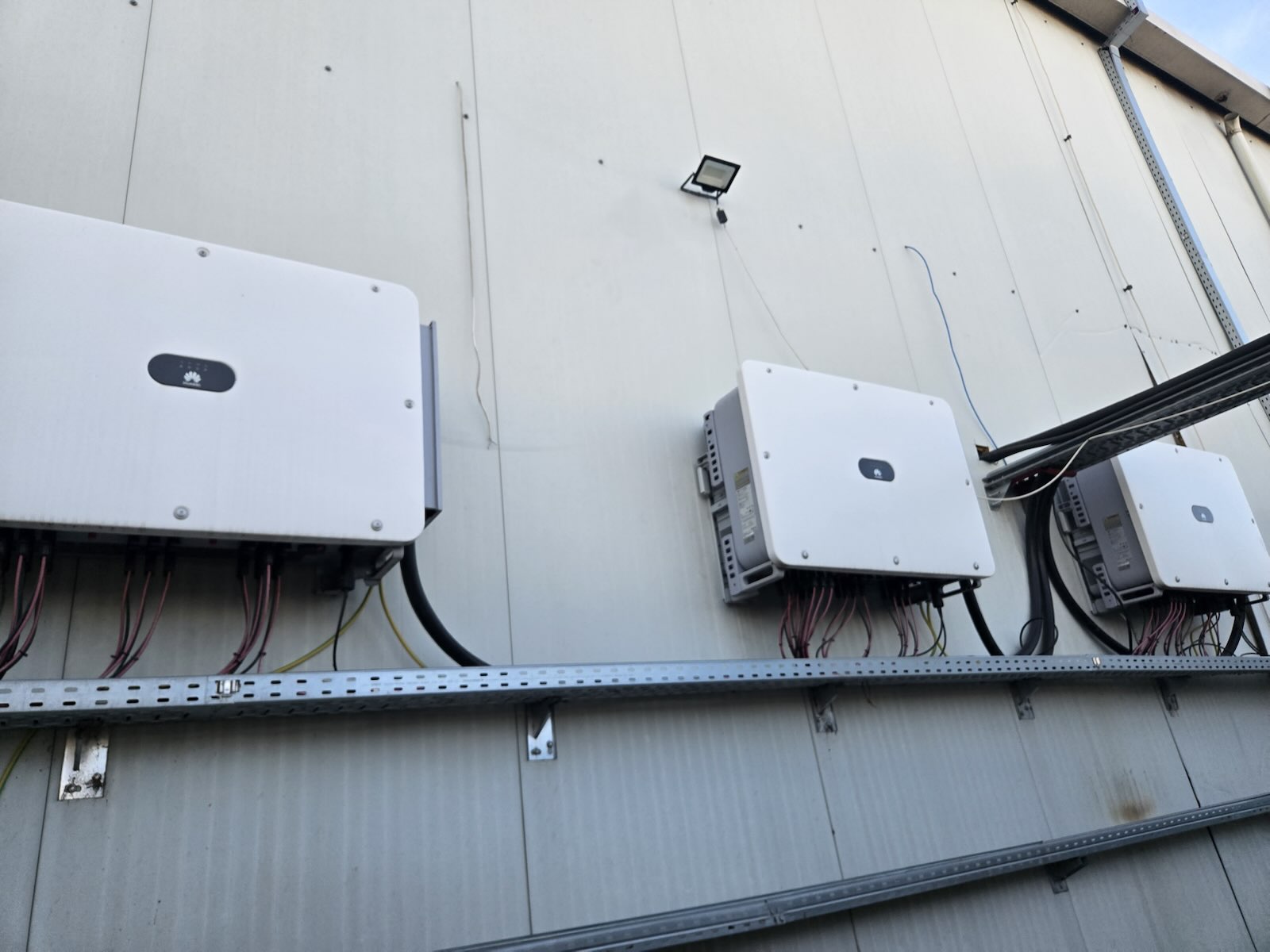
existing PV plant: 347 MWh/yr, 84% self-consumption
450 kW
grid connection; ~55 days a year without production
The problem: the factory buys its energy at exchange prices and pays more than the average exchange price, because it consumes just as much in the expensive evening hours. A grid outage stops production, and the solar surplus on non-working days is sold at midday for next to nothing.
What we recommended
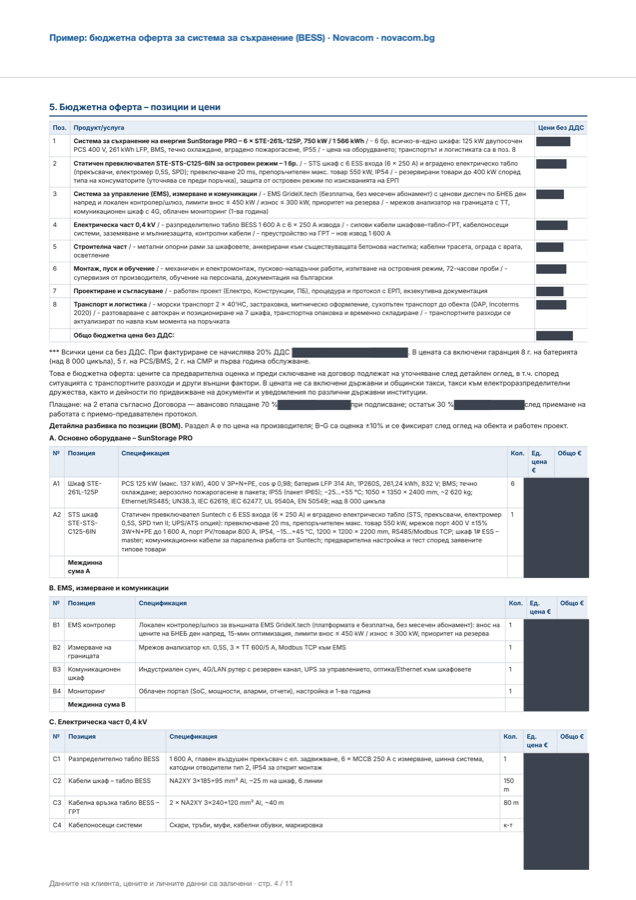
- 6 × Suntech SunStorage PRO STE-261L-125P: 750 kW / 1,566 kWh in total, LFP, liquid cooling, built-in fire suppression
- Static transfer switch (STS): on a grid outage the backed-up loads of up to 400 kW move to the battery in under 20 ms – about 5 hours at 250 kW
- GrideX EMS: every day, from the IBEX day-ahead prices, it plans a 15-minute schedule for charging, supplying the factory and selling
- No change to the grid connection: import stays ≤ 450 kW, export ≤ 300 kW, and 10% of the capacity is always kept as an outage reserve
Simulation result over 365 days
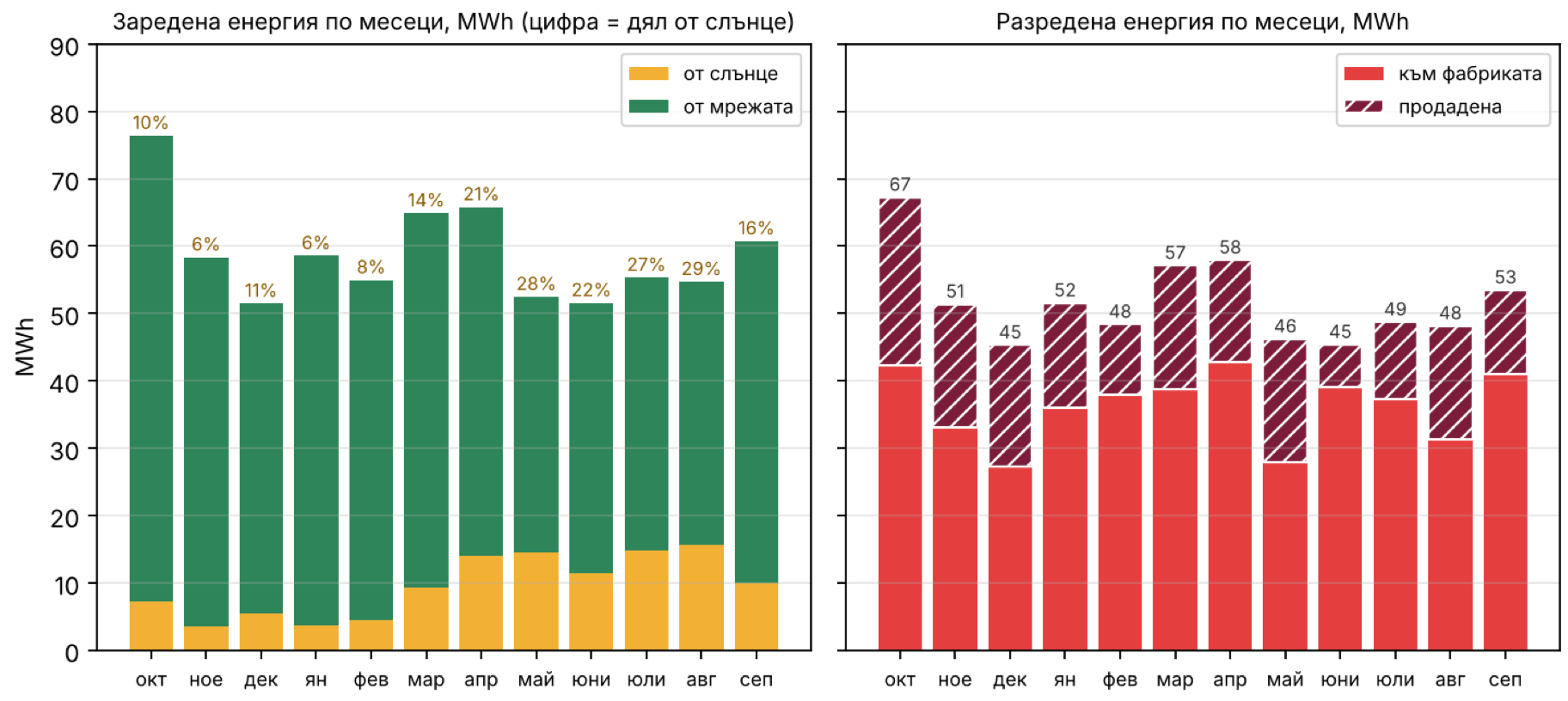
705 MWh
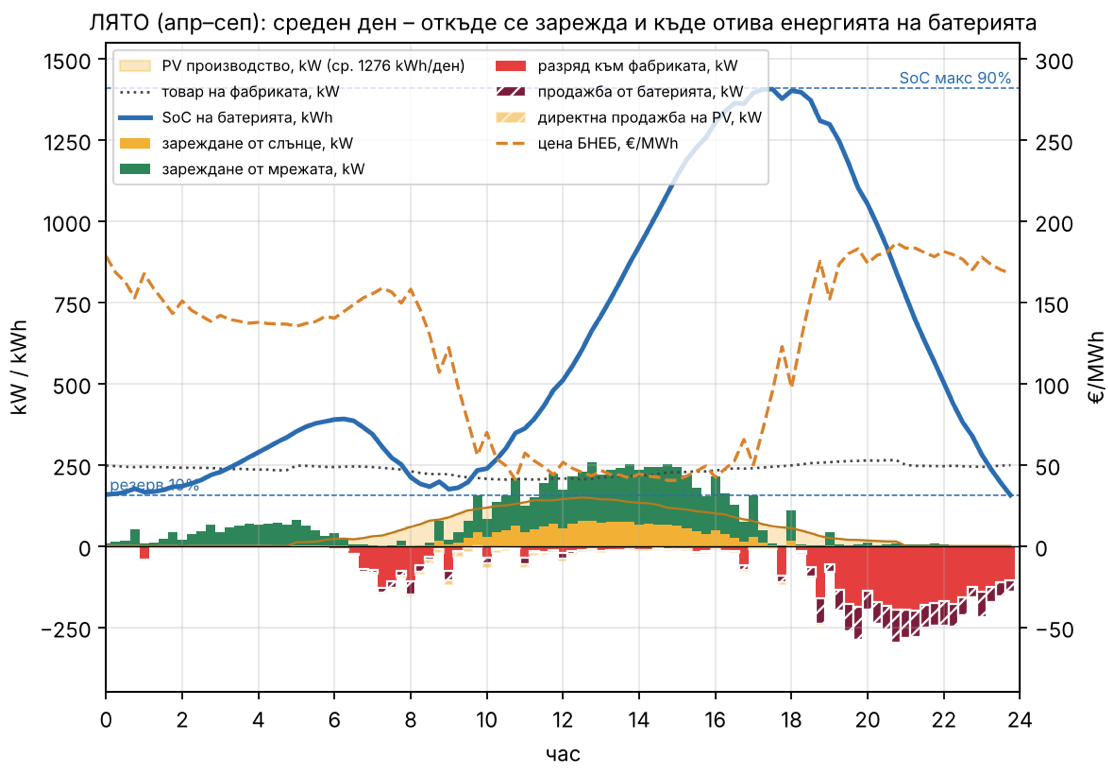
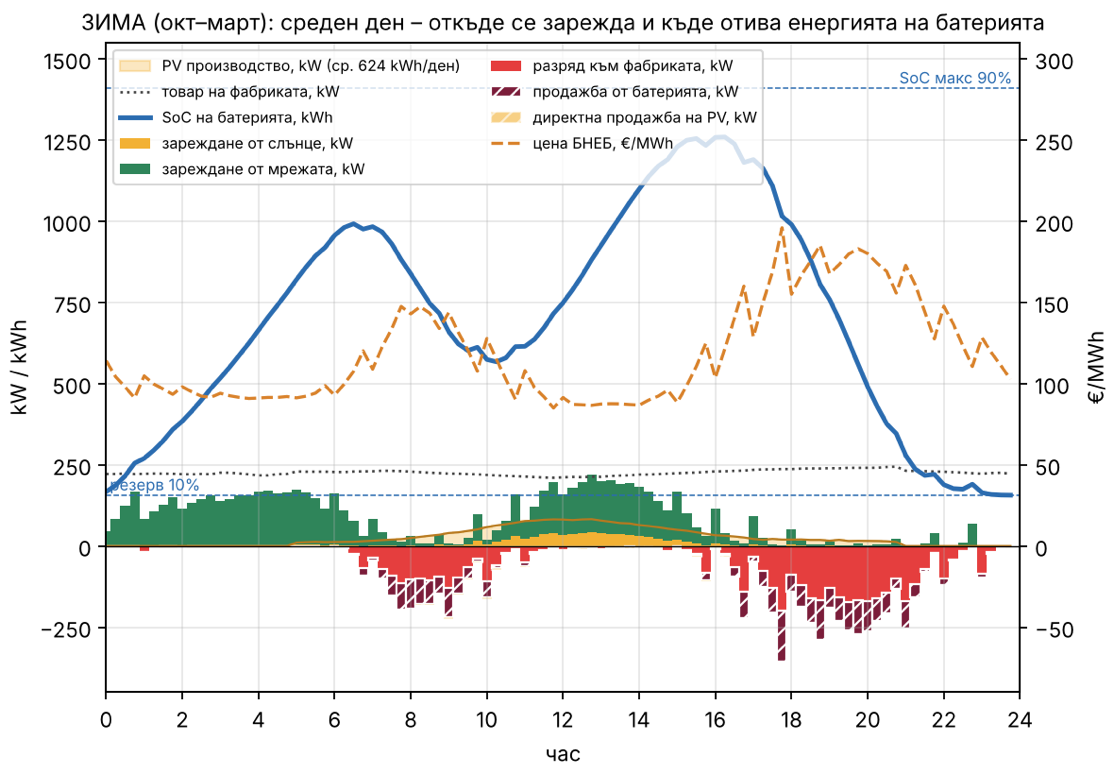
charged per year: 84% from the grid in cheap hours, 16% from the sun
435 MWh
shifted to the factory's expensive morning and evening hours
186 MWh
sold to the grid in peak hours
56 → 13 MWh
PV surplus sold at midday at low prices
About 1.4 cycles a day (~500 a year), against a warranty of more than 8,000 cycles.
How the battery works on this site
Charts are from the original analysis, in Bulgarian.
See what the full offer looks like
11 pages: summary, input data, connection scheme, sizing for island mode, line items, battery operation analysis, market outlook, timeline and terms. The client's details, prices and personal data are removed. The document is in Bulgarian.
Download the sample offer (PDF, 1.1 MB)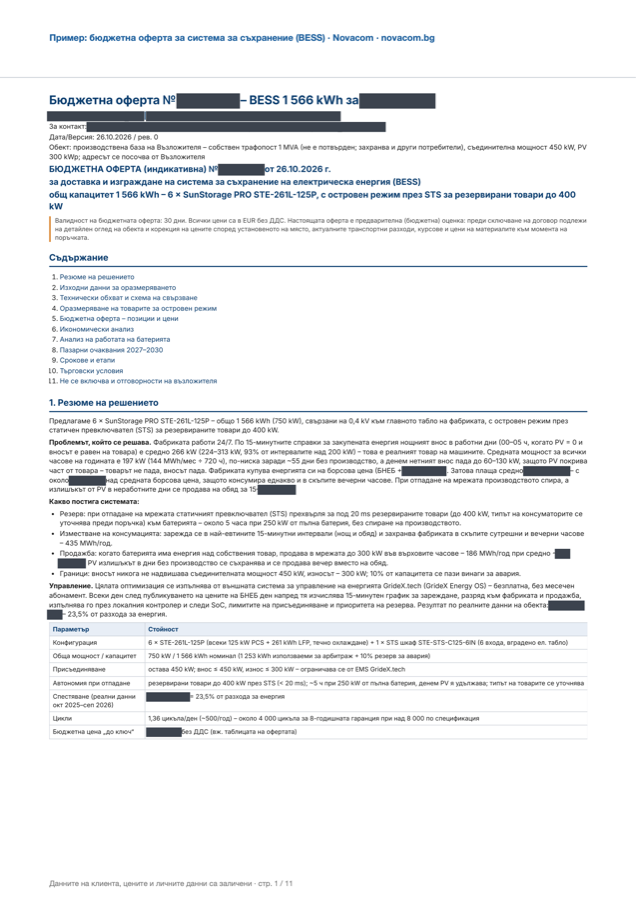
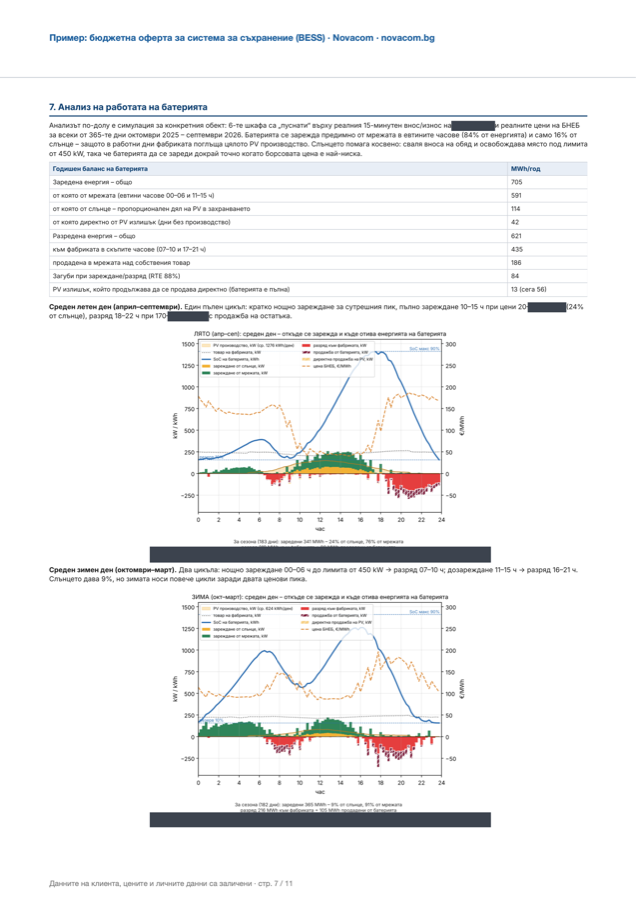
Method: a 15-minute optimal dispatch (linear programming) for each of the 365 days, using the measured load and the published day-ahead prices. The analysis was made without a site visit, with ±10–15% accuracy; it is refined after a survey and a list of the loads.
Ready to generate your own energy?
Very low prices for designing PV plants and battery systems. Free consultation plus an energy and financial analysis.